Plastic injection molding machines are widely used to manufacture plastic products for industries such as automotive, packaging, electronics, consumer goods, and medical devices. Their ability to produce complex parts with high precision, fast cycle times, and consistent quality makes injection molding one of the most efficient manufacturing processes.
Although an injection molding machine appears to be a single piece of equipment, it consists of multiple systems that work together throughout the molding cycle. Each component plays a vital role in ensuring stable production and high-quality results.
This guide explains the major components of a plastic injection molding machine, how they work together, and why they are essential for improving production efficiency, part quality, and machine performance.
A plastic injection molding machine converts plastic pellets into finished parts through a continuous molding cycle. Plastic is melted, injected into a mold, cooled, and ejected to produce consistent, high-quality products.

Typical Injection Molding Process:
Plastic Pellets→Hopper→Barrel→Screw Plasticizing→Injection→Mold Filling→Packing & Holding→Cooling→Mold Opening→Ejection→Finished Part
A molding cycle consists of material feeding, plastic melting, injection, packing, cooling, mold opening, and ejection. Each stage relies on different machine components working together to ensure efficient and reliable production.
A plastic injection molding machine consists of two core systems: the Injection Unit and Clamping Unit. Supporting systems—including the Hydraulic/Servo Drive, Control, Cooling, and Ejection systems—provide power, process control, cooling, and part removal. Together, these components ensure efficient, precise, and reliable molding operations. The following sections explain the function and importance of each component in greater detail.
The Injection Unit melts plastic and injects it into the mold. Its components determine melt quality, shot consistency, and production efficiency.
Hopper-Stores and feeds plastic pellets. Accessories such as Auto Loader, Hopper Dryer, and Material Mixer improve material quality, while moisture or contamination can cause defects.
Barrel-Melts plastic through the Feed, Compression, and Metering zones, with temperatures adjusted for different resins.
Screw-Transports, compresses, melts, mixes, and meters plastic. Its design, including L/D and compression ratio, directly affects melt quality and cycle time.
Heater Bands-Work with shear heat from screw rotation to maintain stable melt temperatures.
Check Ring-Prevents backflow during injection. Wear may cause inconsistent shot size and sink marks.
Nozzle-Delivers molten plastic to the mold. Open and Shut-off nozzles are used for different applications, while incorrect temperatures can cause drooling or freeze-off.
The Clamping Unit keeps the mold closed during injection and opens it for part removal, ensuring dimensional accuracy and preventing flash.
Mold-Includes the Core, Cavity, Runner, Gate, Cooling Channels, and Vent, which define part quality.
Fixed & Moving Platens-Secure the mold and perform mold opening and closing.
Tie Bars-Guide platen movement, withstand clamping force, and determine the maximum mold size.
Clamp Mechanism-Available in toggle, hydraulic, electric, and hybrid designs, offering different balances of speed, force, precision, and efficiency.
Ejection System-Uses ejector pins, plates, and cylinders to remove finished parts. Improper ejection may cause part sticking or ejector marks.

Supporting systems ensure stable, efficient, and safe machine operation throughout the molding cycle.
The drive system powers injection, clamping, ejection, and machine movement. Hydraulic systems provide high force, servo drive systems offer better precision, lower energy consumption, and quieter operation, while hybrid systems combine both advantages.
The PLC and HMI control key parameters, including temperature, pressure, speed, holding pressure, and position. They also support recipe storage and alarm monitoring for consistent production.
The cooling system uses cooling water, oil temperature controllers, and mold temperature controllers to regulate heat, reducing cycle time, shrinkage, warping, and surface defects.
Safety features such as emergency stops, safety doors, interlocks, and mold protection help protect operators, molds, and equipment during production.
The quality of molded parts depends on the performance of every machine component. Wear, poor settings, or improper maintenance can lead to defects, reduced efficiency, and inconsistent production.
|
Component |
Affects |
Possible Defects |
|
Hopper |
Material quality |
Moisture, contamination |
|
Screw |
Plasticizing |
Black specks, poor mixing |
|
Barrel |
Melt temperature |
Burn marks, degradation |
|
Check Ring |
Shot stability |
Weight variation, sink marks |
|
Nozzle |
Material flow |
Short shots, drooling |
|
Clamping Unit |
Mold sealing |
Flash, dimensional errors |
|
Cooling System |
Cooling efficiency |
Warpage, shrinkage |
|
Control System |
Process consistency |
Dimension variation |
Proper component selection, setup, and maintenance help minimize defects and ensure consistent, high-quality injection molding results.
Regular maintenance improves reliability and part quality.
Daily: Check lubrication and hydraulic oil.
Weekly: Clean the barrel and inspect cooling lines and sensors.
Monthly: Check screw wear and tie bars.
Annually: Service the hydraulic/servo system.
Preventive maintenance reduces downtime and extends machine life.
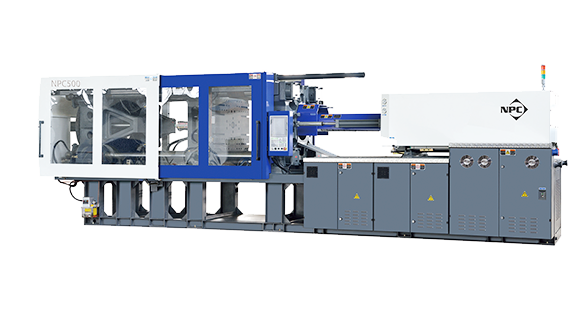
Choosing the right injection molding machine requires evaluating both machine performance and supplier capability. Key factors include machine tonnage, shot size, clamp design, servo system, controller, and energy consumption to ensure the machine meets your production needs. It is also important to consider machine stability, spare parts availability, after-sales service, and the manufacturer's industry experience. A reliable supplier not only provides high-quality equipment but also long-term technical support, helping maximize productivity and reduce operating costs.
Understanding the main components of a plastic injection molding machine helps improve molding quality, production efficiency, and equipment selection. Every system plays a vital role in achieving stable and reliable performance.
For reliable injection molding solutions, Contact NPC. NPC provides high-performance injection molding machines, customized turnkey solutions, and professional after-sales support to help manufacturers achieve efficient, stable, and cost-effective production.
By continuing to use the site you agree to our privacy policy Terms and Conditions.