For manufacturers planning to purchase an injection molding machine, service life is a key consideration. As a long-term investment, the machine's lifespan directly affects production efficiency, maintenance costs, and return on investment. Buyers want to know how long a machine can last, whether a higher-quality machine is worth the investment, and how to maintain stable performance.
In reality, there is no fixed lifespan. Machine design, component quality, production conditions, maintenance practices, and operating environment all influence longevity. This guide explains the service life of injection molding machines, key factors affecting durability, and practical ways to maximize machine performance.

The service life of an injection molding machine depends on its build quality, operating conditions, and maintenance. In general, a high-quality injection molding machine can operate reliably for 10-20 years, while well-maintained premium equipment may remain productive for 20 years or more.
|
Machine Condition |
Expected Service Life |
|
Poor maintenance |
8–10 years |
|
Normal industrial use |
10–15 years |
|
Well-maintained premium machine |
15–20+ years |
However, the actual service life can vary significantly between different machines and applications. Machines used in demanding production environments may experience faster wear, while properly maintained equipment can continue operating efficiently for much longer.
A well-designed machine combined with proper maintenance can remain productive for decades, providing stable performance and better long-term value for manufacturers.
The injection molding machine life expectancy depends on equipment quality and operating conditions. Machine construction, component durability, production intensity, plastic materials, maintenance, environment, and operator skills all affect how long the equipment can operate reliably.
A strong frame, precise machining, high-quality materials, and accurate assembly improve machine durability. Better construction reduces vibration and deformation, helping extend service life.
The drive system affects efficiency and reliability. Hydraulic systems require regular maintenance, while servo systems provide lower energy consumption and smoother movement. Hybrid systems balance performance and efficiency.
The injection unit experiences continuous friction and heat during production. Glass-filled materials, high-temperature plastics, abrasive fillers, and high injection pressure can accelerate wear, affecting plasticizing performance and product quality.
Continuous operation, short cycle times, high injection pressure, and heavy workloads increase machine stress. Properly matching machine capacity with production needs helps reduce wear.
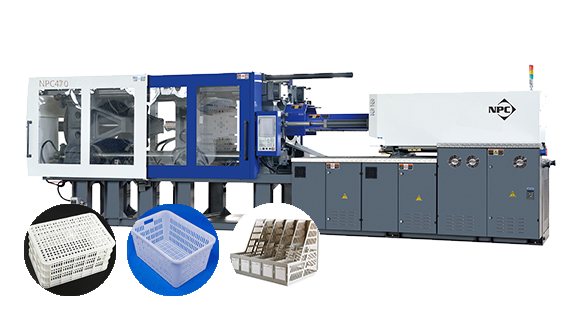
Abrasive materials such as glass-filled plastics can increase screw and barrel wear. Regular lubrication, cleaning, oil replacement, inspection, and timely part replacement help extend machine lifespan.
Dust, humidity, and high temperatures can affect electrical and hydraulic components. Meanwhile, skilled operators can prevent overload, incorrect settings, and improper operation, improving machine reliability.
Common indications that a machine may require maintenance include:
Inconsistent shot size: Variations in shot size may indicate issues with the screw, check ring, or injection system.
Flash (burrs): Excess material appearing around the molded part may result from problems with clamping force, pressure settings, or machine components.
Incomplete filling (short shots): Incomplete filling can be caused by unstable injection pressure, material issues, or wear in the injection unit.
Extended cycle times: Longer cycle times may indicate declining machine performance or component issues.
Hydraulic oil leaks: Oil leaks often signal worn seals or a malfunction in the hydraulic system.
Abnormal vibration and excessive noise: Unusual movement or sounds may indicate mechanical wear or component damage.
Excessive energy consumption: Increased power usage can be a sign of reduced efficiency or aging components.
Temperature fluctuations: Unstable temperature control affects product quality and may indicate problems with the heating or control systems.
Early maintenance can prevent costly breakdowns and reduce unplanned downtime.

Choosing an injection molding machine with a long service life requires more than focusing on initial cost. Manufacturers should evaluate machine design, component quality, energy efficiency, and long-term support to ensure reliable performance over many years.
The machine structure determines overall stability, while the clamping system and injection unit design directly affect production accuracy and durability. A reliable servo system can improve energy efficiency and reduce mechanical stress, while a high-quality controller ensures stable operation and precise control.
Buyers should also consider component reliability, spare parts availability, and the manufacturer's ability to provide timely technical support. In addition, choosing an energy-efficient machine can help reduce long-term operating costs.
A manufacturer's experience and after-sales support are equally important factors. Choosing a reliable manufacturer is just as important as choosing the right machine specifications.
With proper maintenance, a high-quality injection molding machine can deliver reliable service for 10 to 20 years—or even longer. Equipment design, operating conditions, maintenance practices, and production requirements all play a crucial role in extending service life, minimizing downtime, and boosting production efficiency.
For manufacturers seeking durable, high-performance turnkey injection molding solutions, NPC offers precision machines engineered for longevity, stable performance, and energy-efficient operation. We provide customized turnkey solutions and comprehensive after-sales support. Contact NPC to select the ideal equipment for your production needs.
By continuing to use the site you agree to our privacy policy Terms and Conditions.