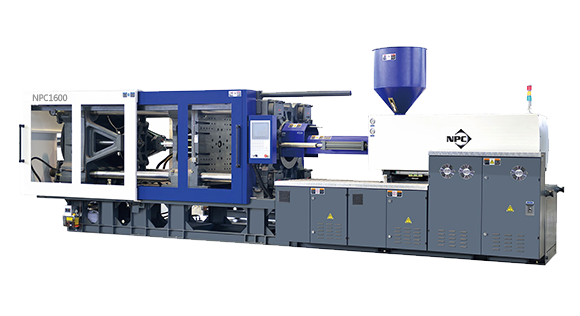
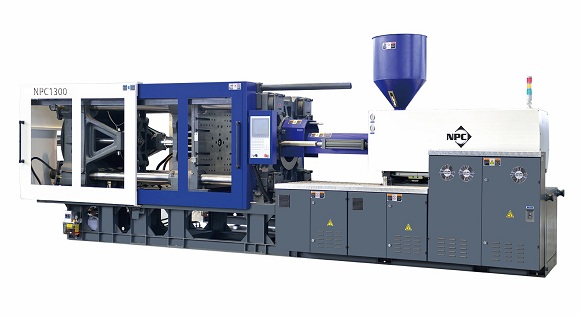
Transparent plastic parts are widely used in electronics, medical devices, lighting products, and consumer goods. Because these products must have high light transmission, the surface quality requirements are much stricter than normal plastic parts. Even small defects such as bubbles or flow marks can affect the appearance and performance of the product. Therefore, understanding how to prevent bubbles and flow marks in the injection molding process is very important for manufacturers using an injection molding machine.
Transparent plastics such as PC, PMMA, and PET require very stable processing conditions. Unlike standard materials, transparent plastics show every small defect clearly. For example, a tiny bubble inside the product can reduce transparency, while a flow mark on the surface can reduce gloss and visual quality.
Most transparent plastics have higher melting temperatures and lower flow ability. This means the plastic injection molding process must be carefully controlled. If the injection molding machine is not properly adjusted, defects like bubbles and flow marks can appear easily.

One of the most common causes of bubbles is moisture in the raw material. When plastic pellets contain water, the moisture turns into vapor during the heating process inside the injection molding machine. This vapor cannot escape completely and finally forms bubbles inside the product.
To prevent this problem, the material must be dried before production. Proper drying helps maintain stable product quality and improves the transparency of injection molded parts. For manufacturers who focus on high-quality production, material preparation is a very important step in the injection molding process.
When the temperature is too low, the plastic may not melt completely. As a result, the material cannot flow smoothly into the mold cavity, which may cause flow marks on the surface.
On the other hand, if the temperature is too high, the plastic may degrade and produce gas, which can create bubbles. Therefore, it is necessary to use a suitable injection molding machine that provides stable and accurate temperature control. Stable temperature helps ensure smooth plastic flow and better product appearance.
Injection speed and injection pressure also affect the quality of transparent plastic parts. If the injection speed is too slow, the plastic may cool before the mold is fully filled, which can cause flow marks. If the speed is too fast, air may become trapped inside the mold cavity, leading to bubbles.
Insufficient injection pressure may cause incomplete filling, while excessive pressure may increase internal stress. For this reason, professional injection molding suppliers usually recommend carefully adjusting injection speed and pressure to achieve the best balance between product strength and surface quality.
Besides machine parameters, mold design is also very important. A poorly designed mold can easily cause bubbles and flow marks. For example, if the gate is too small or the runner is too long, the plastic may not flow smoothly. This can lead to uneven filling and visible flow lines.
In addition, proper venting design helps remove air from the mold cavity. When air cannot escape, bubbles will appear in the final product. Therefore, high-quality molds are essential for achieving high-quality transparent injection molded parts.
Another important factor is mold temperature. When the mold temperature is too low, the plastic cools too quickly, which increases the chance of flow marks. At the same time, uneven mold temperature can cause surface defects and reduce product transparency.
However, when the mold temperature is stable and properly controlled, the plastic flows more smoothly and the surface becomes clearer and more uniform. This is why many manufacturers use advanced injection molding machines with precise temperature control systems.
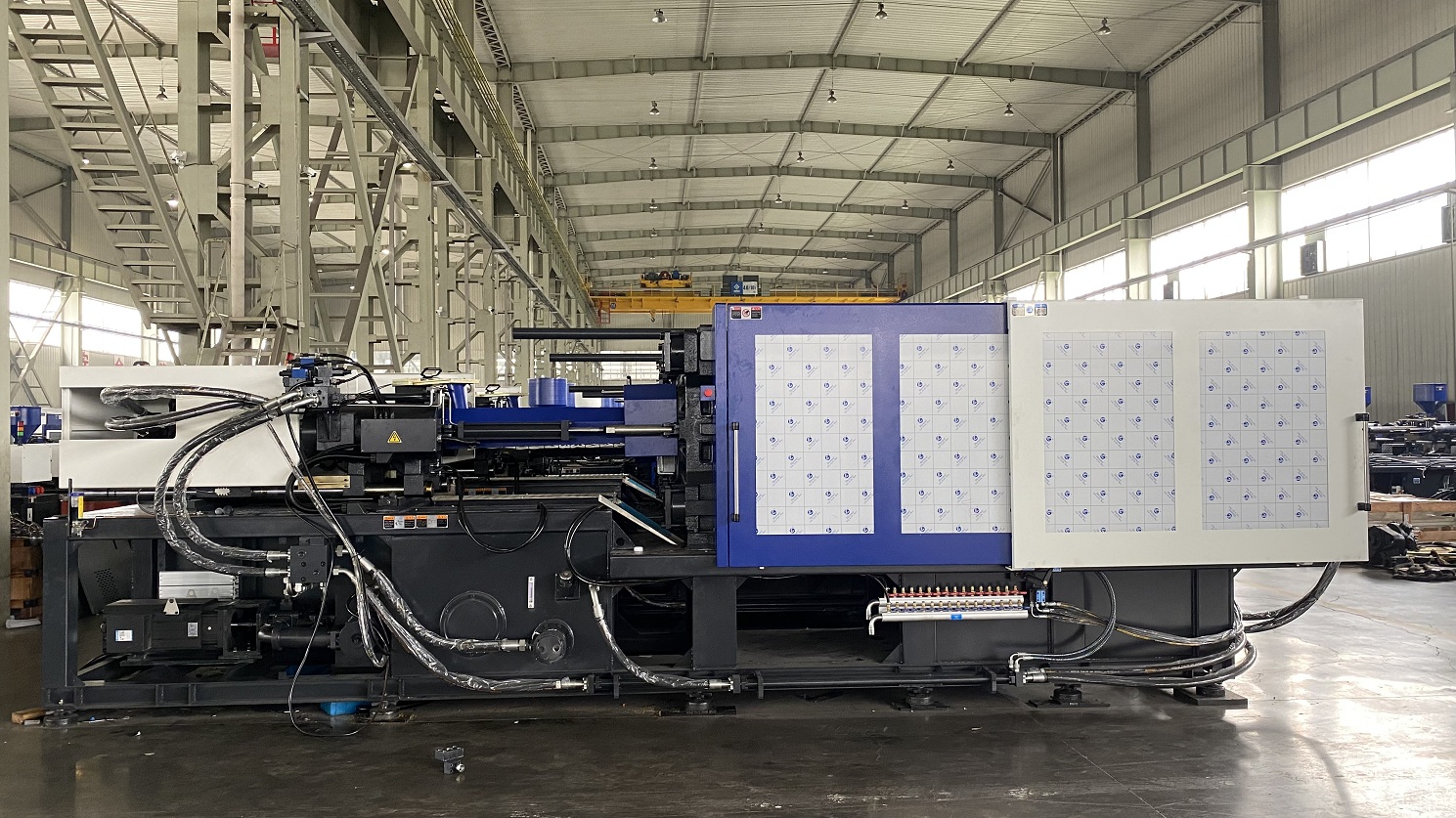
After understanding the main causes, manufacturers can take several practical steps to improve product quality. First, always dry the plastic material before production. Second, keep the injection temperature stable and within the recommended range. Third, adjust injection speed and pressure carefully to ensure smooth filling.
In addition, make sure the mold surface is clean and well polished. Finally, use a reliable injection molding machine that can maintain stable performance during long production cycles. These simple steps can significantly reduce defects and improve the overall quality of transparent plastic parts.
In conclusion, bubbles and flow marks are common problems in the injection molding process, especially when producing transparent plastic parts. These defects are usually caused by moisture in the material, unstable temperature, incorrect injection speed, or poor mold design. By improving material preparation, adjusting machine parameters, and optimizing mold design, manufacturers can greatly improve product quality.
If you are looking for a reliable injection molding supplier that provides stable and high-performance injection molding machines, NPC can offer professional solutions for transparent plastic production. Contact NPC today to learn how our advanced injection molding technology can help you achieve better quality, higher efficiency, and more reliable production results.
By continuing to use the site you agree to our privacy policy Terms and Conditions.