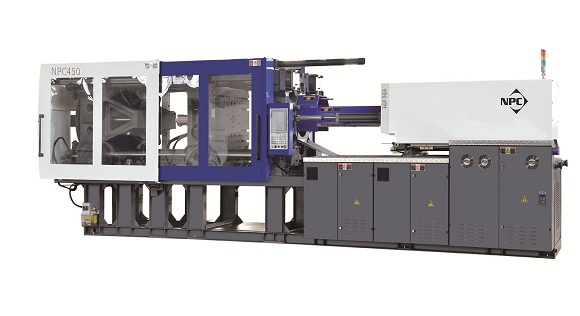
Plastic injection molding machine businesses handle products with different dimensions, materials, mold structures, and production volumes. Each application places specific demands on machine capacity, injection speed, clamping force, and processing stability. Choosing suitable equipment is essential for maintaining product quality and production efficiency.
Custom plastic injection molding machine services help manufacturers match equipment configurations to their actual production requirements. These services may include machine selection, configuration recommendations, specialized machine solutions, installation, and technical support.
This article explains what these services involve, which machine capabilities matter, how different industries use specialized equipment, and what support manufacturers should expect from an equipment supplier.

Custom machine services start with understanding the customer's production requirements. Machine selection should account for several factors:
For example, a nylon injection molding machine may require a configuration suited to the material's processing characteristics. Similarly, a bottle cap injection molding machine needs to match the product design, mold cavities, and target production volume.
Customization may also involve selecting screw diameter, shot capacity, clamping force, and control options. After equipment selection, manufacturers may need installation, commissioning, operator guidance, and ongoing technical assistance to support stable production.
The right machine configuration depends on the product, material, mold, and production target. Manufacturers should evaluate the following capabilities before purchasing equipment.
|
Capability |
What to Consider |
|
Clamping force |
Match the machine to the mold and product's projected area |
|
Shot capacity |
Allow for product weight, runners, and material requirements |
|
Screw and barrel |
Suit the plastic materials and processing conditions |
|
Injection speed |
Meet the filling requirements of the product |
|
Mold compatibility |
Check tie-bar spacing, platen dimensions, and mold thickness |
For example, a plastic cup injection molding machine used for thin-wall products may require higher injection speeds than equipment used for some conventional household products. The machine should also support the intended mold configuration and production cycle.
Evaluating these factors together helps manufacturers avoid capacity mismatches and select equipment suited to their actual orders.

Different industries require different machine configurations. Matching the equipment to the product helps manufacturers achieve the required output and production consistency.
Thin-Wall Packaging
Fast-food boxes, milk tea cups, and yogurt containers require rapid mold filling and efficient production cycles. A thin wall injection molding machine is designed for applications where injection speed and stable operation are important.
NPC Machine's high-speed series includes the NPC280H, NPC360H, NPC400H, and NPC460H. In one application, the NPC280H produced 0.6 mm thin-wall bowls with an 8.2-second cycle time. The NPC350H produced four-cavity fast-food containers with a five-second cycle time.
Household and Consumer Products
Plastic household goods vary in size, weight, and structure. Machine selection should therefore reflect the specific product and mold.
Industrial and Agricultural Products
Products such as fruit baskets, plastic buckets, and agricultural drip irrigation components may benefit from specialized equipment. NPC Machine offers fruit basket, bucket, and drip irrigation machine solutions for these production applications. A bucket injection molding machine, for example, needs to accommodate the product's dimensions, mold structure, and required output.
Equipment services should continue after a machine leaves the factory. Pre-sales consultation helps customers identify suitable models and configurations based on their products, materials, molds, and production targets. Suppliers can also explain machine functions and discuss customized solutions where needed.
After delivery, installation, commissioning, and operator training help customers become familiar with the equipment. Ongoing support may include troubleshooting, maintenance guidance, repairs, and technical assistance through phone calls, emails, or online communication.
|
Service |
Customer Support |
|
Pre-sales consultation |
Machine selection and configuration advice |
|
Installation |
Setup and commissioning |
|
Training |
Machine operation and technical guidance |
|
After-sales service |
Troubleshooting, repair, and maintenance |
|
Spare parts |
Replacement parts and repair support |
For overseas customers, local distributors can provide additional assistance. NPC Machine supports its dealers with technical training, marketing resources, special agent pricing, and spare parts support, helping them serve customers in their respective markets.

Custom plastic injection molding machine services involve more than recommending equipment. They connect product requirements with suitable machine specifications, specialized production solutions, installation, training, and ongoing technical support. Manufacturers should evaluate both machine capabilities and the supplier's ability to support production throughout the equipment's service life.
Established in 2009, NPC Machine brings together injection molding machine R&D, manufacturing, and customer service at a production site covering more than 130,000 square meters. With experience serving international markets, NPC Machine welcomes distributors worldwide. Contact NPC Machine to discuss your equipment requirements or explore potential dealership opportunities.
By continuing to use the site you agree to our privacy policy Terms and Conditions.